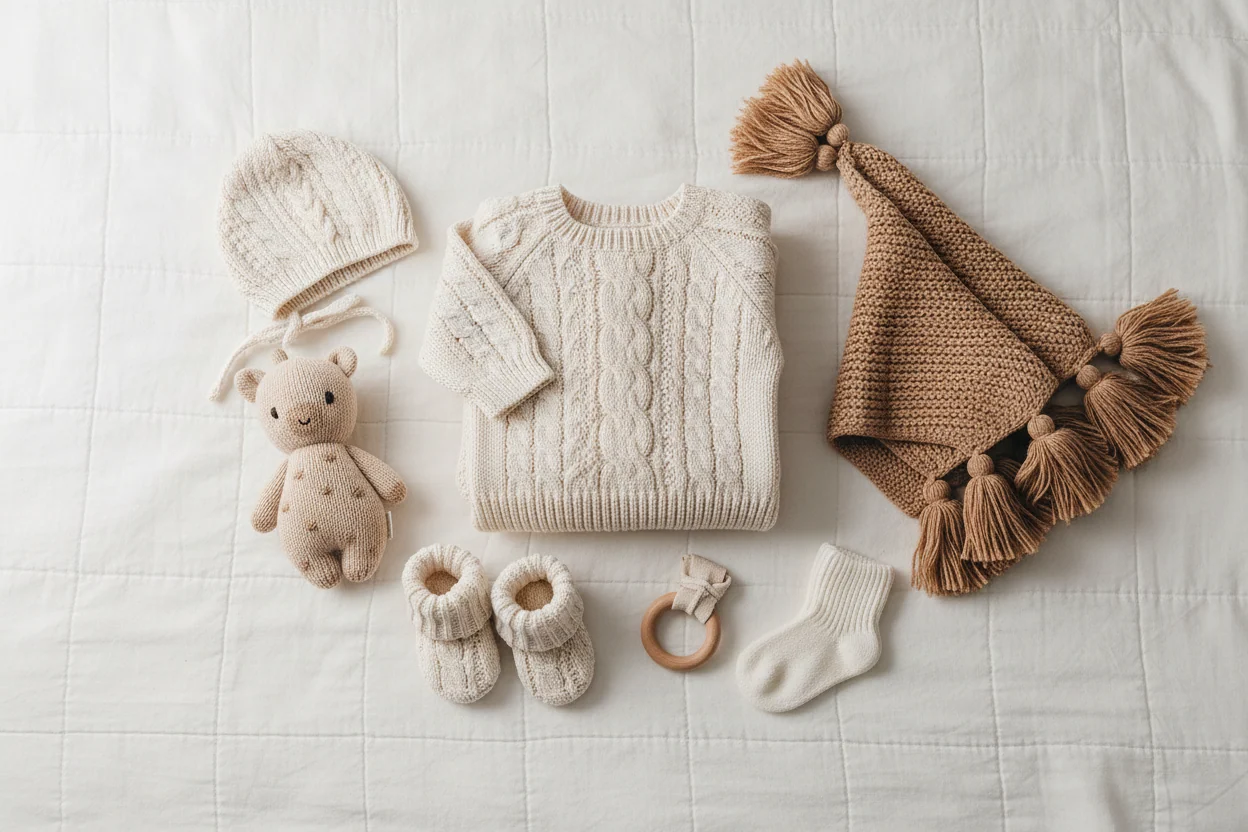
Walking into a modern baby superstore or browsing online registries can feel utterly overwhelming. Aisles of high-tech gadgets, specialty wipe warmers, designer nursery decor, and automated bassinets promise to make parenting effortless. Yet when you bring a newborn home, you quickly realize that babies need remarkably few material items to thrive during those first thirty days. What they truly require is warmth, safe nourishment, clean skin, safe sleep, and your loving, attentive presence.
Differentiating True Essentials from Registry Hype
The first month of parenthood is a period of intense transition, characterized by rapid recovery, unpredictable sleep cycles, and learning your baby’s unique non-verbal cues. Surrounding yourself with excessive gear often creates unnecessary clutter and anxiety. By focusing strictly on practical, evidence-based essentials, you simplify your daily routine and conserve energy for what genuinely matters: bonding with your infant.
Curating a streamlined environment also supports household hygiene and safety. A clean, organized home allows you to locate clean onesies, diapers, and feeding gear quickly, even in the middle of the night. Prioritizing quality and safety over sheer quantity keeps your nursery tranquil and functional.
Essential Sleep Gear: Safe, Simple, and Secure
A safe sleep setup is the single most vital investment for your newborn’s first month. Newborns sleep anywhere from fourteen to seventeen hours a day, broken into short increments across day and night.
A Certified Bassinet or Crib
Choose a bassinet or crib that meets current federal safety regulations with a firm, flat mattress and a tightly fitted sheet. Keep the sleep space completely free of pillows, blankets, bumper pads, stuffed animals, and positioners. Room-sharing—placing your baby’s sleep surface within arm’s reach of your own bed for the first six months—is widely recommended by pediatric specialists to support breastfeeding and minimize sleep-related hazards.
Swaddles and Sleep Sacks
Newborns possess a pronounced startle reflex (the Moro reflex) that can wake them unexpectedly from restorative sleep. Breathable cotton or bamboo swaddle blankets and zip-up sleep sacks help newborns feel cozy and secure while keeping loose fabric away from their faces. Have three to four swaddles on hand to manage inevitable spit-ups. For an in-depth look at structuring sleep cycles, explore our guide on establishing realistic newborn sleep routines.
Feeding Essentials: Supporting Every Feeding Choice
Whether you are nursing, bottle-feeding with formula, or combining methods, having dedicated, sterile feeding equipment ready before birth prevents middle-of-the-night panic.
Nursing Supplies
For breastfeeding parents, essential gear includes comfortable nursing bras, reusable or disposable breast pads, a supportive nursing pillow to protect your posture, and pure lanolin or nipple cream. A basic hand pump or silicone breast pump is invaluable for relieving early engorgement when mature milk arrives.
Bottles and Sanitization Gear
If you plan to bottle-feed, start with four to six small bottles (four-ounce size) with slow-flow newborn nipples. Avoid buying large multi-packs of a single brand before your baby arrives, as infants frequently show strong preferences for specific nipple shapes. A reliable bottle brush and drying rack are non-negotiable tools for daily hygiene.
When preparing formula or washing feeding equipment, tap water safety becomes an immediate household consideration. Families exploring Home water testing services in Queens or adjacent suburban boroughs frequently discover that verifying tap water purity provides invaluable confidence when preparing infant nourishment. Pair clean water with proven feeding strategies by reading our complete infant feeding and nutrition guidance.
Clothing: Functional Comfort over Fashion
Newborns grow with astonishing speed, often outgrowing their first size within three to four weeks. Prioritize clothing that makes frequent diaper changes effortless and keeps delicate skin comfortable:
- Kimono-Style or Snap Onesies (5 to 7 pairs): Side-snap shirts prevent having to pull clothing over an unstable newborn head and protect healing umbilical cord stumps from irritating friction.
- Zip-Up Sleepers (4 to 6 pairs): Look for two-way zippers that allow you to unzip from the bottom up during midnight diaper changes without exposing the baby’s chest to cold air.
- Soft Socks and Mittens (3 to 4 pairs): Newborns have delicate circulation, causing hands and feet to feel cool. Scratch mittens prevent involuntary fingernail scratches to fragile facial skin.
- Gentle Laundry Detergent: Wash all baby clothing, bedding, and burp cloths in fragrance-free, dye-free detergent before their first use to protect sensitive skin from chemical residues.
- Burp Cloths and Bibs (8 to 10): Newborn spit-ups are frequent as the lower esophageal sphincter matures. Having an abundant supply of thick cotton burp cloths protects your furniture and keeps clothing dry.
Organizing Your Nursery Station for Efficiency
Keeping your newborn gear accessible prevents unnecessary physical strain during recovery. Arrange items by frequency of use: store diapers, wipes, and fresh onesies on open shelves directly beside your primary changing mat. Reserve lower baskets for extra swaddles and spare crib sheets. Setting up two distinct changing stations—one in the bedroom for nighttime care and one in the main living space for daytime routines—saves countless trips up and down stairs during your first critical weeks of postpartum healing.
Diapering and Changing Essentials
Expect to change eight to twelve diapers per day during the first month. An efficient, stocked changing station streamlines this perpetual task:
Diapers and Gentle Wipes
Have one large box of newborn diapers and one box of size-one diapers on hand. Some babies outgrow newborn sizes within ten days, while others remain in them for a month. Stock fragrance-free, alcohol-free water wipes to protect delicate newborn skin barriers from irritants.
Barrier Ointment and Waterproof Pads
A zinc oxide diaper rash cream or petroleum-based barrier ointment prevents chafing and moisture-related dermatitis. Washable waterproof changing pads protect furniture and allow you to set up a hygienic changing surface in any room.
When safeguarding your changing zone and living areas from unexpected falls or physical hazards, consult our foundational guidelines on home safety and childproofing fundamentals.
Hygiene, Grooming, and Bath Time Gear
Newborn bath time requires minimal specialized gear. In fact, sponge baths are recommended until the umbilical cord stump falls off naturally at two to three weeks of age.
Gather three to four soft washcloths, two hooded towels, a gentle fragrance-free baby wash, and an infant bathtub with an ergonomic mesh sling. A soft-bristled baby hairbrush and an electric nail trimmer or baby nail emery board are essential for managing rapid fingernail growth.
The purity of your bathing water matters just as much as your cleansers. Consulting with NYC certified water testing specialists ensures that municipal treatment chemicals and heavy metals do not aggravate sensitive infant skin during daily wash routines.
Authoritative Newborn Care Standards
Pediatric and clinical institutions provide evidence-based benchmarks for early infant health. The national library resources at MedlinePlus infant and newborn care offer detailed medical overviews of developmental norms, cord care, and feeding frequency. Research published through the NICHD infant care guidelines reinforces the life-saving impact of safe sleep environments and skin-to-skin contact. Furthermore, the World Health Organization newborn care recommendations underscore the profound benefits of responsive parenting and maternal-infant bonding.
Items You Can Confidently Skip for Now
To keep your home calm and functional, you can safely postpone purchasing several popular baby items until later in the first year:
- Wipe Warmers: These tend to dry out wipes quickly and can harbor bacterial colonies in warm, moist reservoirs.
- Extensive Shoe Collections: Newborns do not need rigid footwear; breathable socks are far more comfortable and developmentally appropriate.
- Highchairs and Feeding Sets: Solid foods do not begin until approximately six months of age.
- Complex Electronic Toys: Newborns are captivated by human faces, high-contrast black-and-white cards, and soft voices, not noisy electronic gadgets.
For more detailed breakdowns of what to pack and prepare, review our comprehensive checklist of newborn essentials and browse our parenting FAQ resource. Simplifying your gear gives you the emotional space to enjoy your baby’s precious first month.