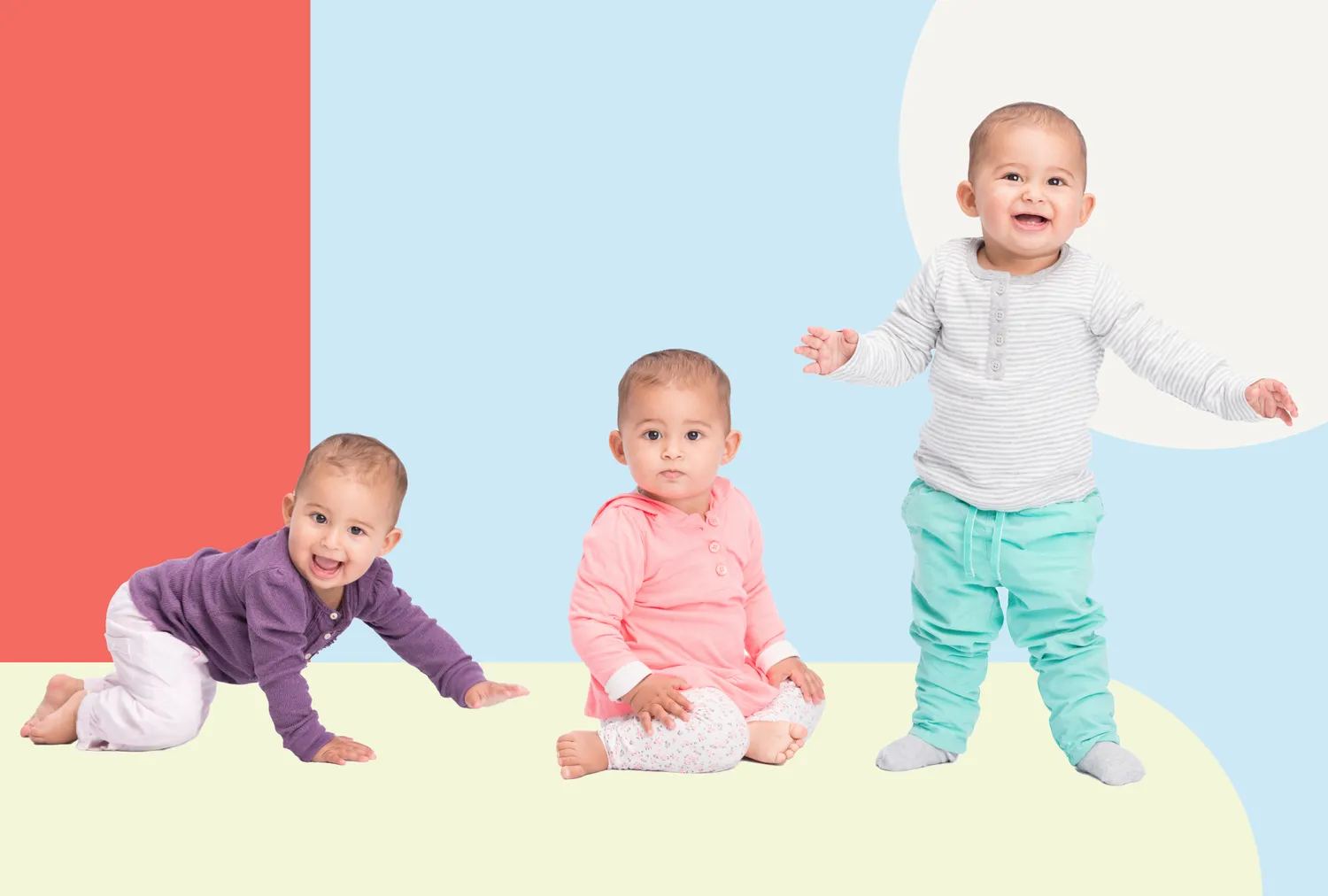
The first year of your baby’s life is a period of breathtaking physical, neurological, and emotional transformation. In the span of just twelve short months, a tiny, helpless newborn who relies entirely on primitive reflexes blossoms into an active, curious toddler who can sit, wave, babble meaningful syllables, and perhaps take their very first independent steps. Watching these developmental milestones unfold is one of parenthood’s greatest privileges, yet it can also provoke anxiety when parents compare their baby’s timeline to peers or internet charts.
Understanding Milestones: Windows of Development, Not Rigid Deadlines
It is vital to understand that developmental milestones represent broad developmental windows rather than rigid calendar deadlines. Every healthy baby possesses a unique internal biological clock and genetic blueprint. One infant may focus intensely on gross motor skills—mastering crawling and pulling up early—while another devotes their cognitive energy to language acquisition, vocalizing complex babble strings before mastering independent sitting.
Pediatric guidelines establish milestone ranges based on when seventy-five to ninety percent of healthy children achieve a specific skill. Variations of several weeks or even months within these windows are completely normal. Exploring our comprehensive resource on first-year baby developmental milestones allows you to follow your child’s individual journey with confidence.
The First Quarter (Birth to 3 Months): Awakening to the World
During the first twelve weeks, your baby transitions from the protected environment of the womb to the sensory-rich external world.
Physical and Motor Progress
Early movements are governed by involuntary primitive reflexes: the Moro (startle) reflex, the grasp reflex, and the rooting reflex. As the nervous system matures, movements become more intentional. By three months, infants gain head control, lifting their head and chest forty-five degrees during tummy time and bringing their hands together at the midline.
Sensory and Social Connection
Visual acuity improves rapidly from fuzzy shadows to tracking high-contrast objects across a 180-degree arc. Around six to eight weeks, your baby rewards your sleepless nights with their very first intentional social smile. Soft cooing sounds emerge as your baby experiments with vocal cords in response to familiar voices.
To support early sensory growth and sleep recovery during these initial months, review our guide to newborn sleep patterns.
The Second Quarter (4 to 6 Months): Mobility and Manipulation
Between four and six months, strength, coordination, and social enthusiasm accelerate dramatically.
Gross and Fine Motor Skills
Babies discover their hands and feet, grasping rattles deliberately, transferring objects between hands, and pushing up onto straight arms during tummy time. Rolling over emerges—typically from tummy to back first, followed by back to tummy. Toward six months, many babies begin sitting with slight hand support (tripod sitting).
Social and Cognitive Expansion
Belly laughs, squeals of delight, and expressive babbling fill the home. Your baby recognizes familiar faces from across the room and begins exploring cause and effect: dropping a toy to see if you will retrieve it.
Preparing your living space before mobility peaks prevents common household accidents. Review our comprehensive recommendations for home safety and childproofing essentials.
The Third Quarter (7 to 9 Months): Exploration and Independence
With independent sitting mastered, your baby’s hands are free to manipulate objects, and the drive for mobility takes center stage.
Active Movement
Babies experiment with diverse modes of locomotion: army crawling, scooting on their bottoms, and traditional hands-and-knees crawling. Around eight to nine months, babies pull themselves up to stand against furniture, learning to balance on two feet.
Fine Motor Dexterity
The crude raking grasp transforms into the sophisticated “pincer grasp”—using the thumb and index finger to pick up tiny objects like puffs or peas. Object permanence solidifies: your baby understands that when you leave the room or hide a toy beneath a blanket, the object still exists, leading to early separation anxiety and joyful games of peek-a-boo.
This period also coincides with the joyful adventure of complementary solid foods. Discover safe mealtime strategies in our guide on infant feeding and nutrition guidance.
Environmental Health and Developmental Protection
As babies crawl, explore floors, and put every object into their mouths, environmental purity becomes an essential component of developmental wellness. Exposure to heavy metals—particularly lead—can subtly undermine neurological development, fine motor coordination, and future attention span.
Consulting with certified Manhattan water testing experts or your local environmental testing laboratory confirms that your household tap water is completely free of neurotoxic metals and chemical pollutants. Ensuring pure water for feeding, cooking, and bathing protects your child’s developing nervous system during this window of rapid synaptic growth.
To ensure your home is equipped with certified, developmental toys and safe nursery gear, explore our curated checklist of newborn essentials.
The Fourth Quarter (10 to 12 Months): Communication and First Steps
The culmination of the first year bridges infancy and toddlerhood with remarkable communication and motor breakthroughs:
- Cruising and First Steps: Babies “cruise” along furniture, moving sideways while holding onto sofas. Many take their first independent standing balances and tentative first steps around twelve months.
- Expressive Language: Syllable babble matures into intentional first words (“mama,” “dada,” “baba”) accompanied by meaningful gestures: waving “bye-bye,” pointing to desired objects, and shaking their head “no.”
- Cognitive Problem-Solving: Babies imitate daily adult actions: holding a toy phone to their ear, stirring a bowl with a spoon, and placing objects inside containers and dumping them out.
Encouraging Development Through Responsive, Simple Play
Modern toy marketing frequently convinces new parents that babies require expensive, high-tech educational devices with flashing lights, recorded voices, and automated movement to achieve developmental milestones. In reality, neurological research demonstrates that your baby’s most powerful learning tool is you: your expressive face, your responsive voice, and warm, unhurried human connection.
Simple, everyday interactions build rich neural pathways. Engage in “serve-and-return” communication: when your baby babbles, make eye contact, smile, and reply with words as if having an actual conversation. Offer everyday household objects for supervised sensory exploration: wooden spoons, clean silicone whisks, textured washcloths, and empty cardboard tissue boxes. Narrate your daily activities as you fold laundry, prepare meals, and take neighborhood walks, immersing your infant in a rich bath of natural language.
Authoritative Developmental Resources and Pediatric Screening
Clinical institutions publish detailed milestone checklists to assist parents and pediatricians during regular well-child visits. Comprehensive clinical overviews from MedlinePlus infant and toddler development detail age-specific behavioral norms and physical capabilities. Pediatric research published through the NICHD child health and neurodevelopment research initiative highlights how responsive caregiving and safe environments nurture early cognitive growth. Furthermore, child wellness documents from MedlinePlus parenting and child health provide practical strategies for encouraging early learning through play.
When to Consult Your Pediatrician
Regular well-child exams at two, four, six, nine, and twelve months provide structured opportunities to review your child’s developmental trajectory. Speak with your pediatrician if your baby displays any red flags: not making eye contact or smiling by three months, not rolling or sitting with support by seven months, not bearing weight on legs by nine months, or losing previously acquired skills.
For more answers regarding early development, nursery gear, and family safety, browse our parenting FAQ resource. Celebrate every small victory, offer abundant love, and enjoy watching your baby’s extraordinary personality emerge.