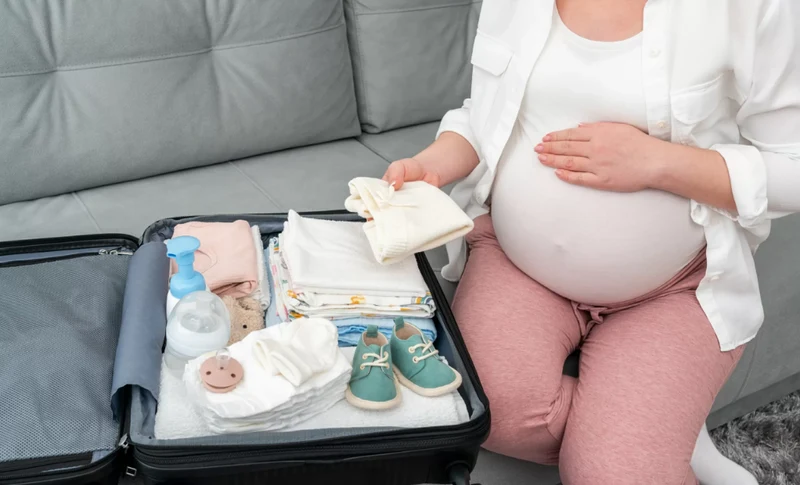
As your due date approaches, that packed bag sitting by the front door is more than just luggage; it is a tangible symbol that your life is about to change forever. Packed with soft clothing, toiletries, and newborn sleepers, your hospital bag represents your readiness to step into parenthood. Yet packing for labor and delivery can quickly devolve into an exercise in anxiety, with parents stuffing suitcases full of unnecessary gadgets, dozens of outfits, and bulky gear they will never unzip. A practical, streamlined hospital bag keeps what you truly need accessible when contractions intensify.
When to Pack Your Hospital Bag
Babies arrive on their own schedule. While full-term pregnancy spans thirty-nine to forty weeks, spontaneous labor can easily begin earlier. A practical guideline is to have your primary bags packed and organized by your thirty-fifth or thirty-sixth week of pregnancy.
Pack two distinct bags rather than one giant suitcase: a compact labor bag containing items needed immediately in the delivery suite, and a postpartum recovery bag that can stay in the car trunk or closet until you are transferred to your recovery room. Separating these stages prevents rummaging through postpartum underwear while timing active contractions.
Essential Documents and Paperwork
Before packing clothing or toiletries, assemble your essential legal and medical documents into an accessible front pocket:
- Government Photo ID: Driver’s license, passport, or state identification card for both parents.
- Health Insurance Card and Hospital Pre-Registration: Complete online pre-registration forms with your birthing hospital weeks in advance to streamline check-in.
- Birth Preferences Plan: Print two or three copies of a concise, one-page birth preferences summary outlining your wishes for labor support, pain management, and newborn procedures.
- Pediatrician Contact Information: Hospitals require the name and clinic contact details of your chosen pediatrician before discharging your newborn.
To ensure your home is equally prepared for discharge day, consult our curated checklist of newborn essentials.
The Labor and Delivery Bag: Comfort and Focus
Labor is an athletic endurance event that demands physical comfort, hydration, and emotional grounding:
Labor Wear and Comfort Items
While hospitals provide standard cotton patient gowns, many mothers prefer wearing their own dark, breathable labor dress or sleeveless nursing gown that unbuttons for fetal monitoring and immediate skin-to-skin contact. Pack warm, non-slip gripper socks or slip-on slippers for walking hospital corridors during early labor. Hair ties, lip balm (hospital air is notoriously dry), and a battery-operated clip-on fan provide tremendous relief.
Hydration, Electrolytes, and Nutrition
Laboring requires immense energy. Pack electrolyte drink packets, coconut water, honey sticks, and easy-to-digest carbohydrates like fruit pouches or energy bars (if your obstetric team permits light snacking during labor).
While hospital staff supply filtered ice chips, ensuring your living space has pristine drinking water upon your return home is an equally vital health preparation. Families living in historic residential districts often arrange for Certified private water testing in Manhattan or their local municipal area prior to delivery. Having verified, clean tap water waiting at home ensures that postpartum recovery hydration and bottle preparation are entirely free of heavy metal concerns.
The Postpartum Recovery Bag for Mom
Following delivery, your body enters an intensive phase of physical healing. Pack items focused strictly on comfort and recovery:
Postpartum Hygiene and Underwear
While hospitals provide disposable mesh underwear and large pads, many mothers find high-waisted postpartum recovery briefs or adult disposable underwear far more secure and comfortable, especially after a cesarean delivery. Pack a peri bottle with an angled nozzle (far superior to standard hospital squeeze bottles) and alcohol-free witch hazel soothing pads.
Nursing and Lounge Apparel
Pack two pairs of loose, dark pajama pants or joggers with an elastic-free waistband, two button-down nursing tops or camisoles, and two comfortable, wireless nursing bras. If you plan to breastfeed, include pure lanolin or nipple balm to soothe early tenderness. Explore our comprehensive guidance on early nursing by reading our infant feeding and nutrition guidance.
Emotional swings during the initial days postpartum are entirely common. Prepare your partner and yourself by reviewing our guide on understanding postpartum emotions and emotional wellness.
The Partner and Support Person Checklist
Partners are active birth team members and caregivers who need their own provisions for an extended stay:
- Extra-Long Phone Charger Cords: Hospital wall outlets are frequently positioned far from beds and recovery recliners; a ten-foot charging cable is an absolute necessity.
- Comfortable Layers and Toiletries: Hospital rooms fluctuate between chilly air conditioning and warm delivery suites. Pack comfortable slip-on shoes, a warm hoodie, basic toiletries, and a change of clothes for two days.
- Abundant Snacks and Cash: Hospital cafeterias often close overnight. Stock trail mix, protein bars, sandwiches, and small bills for vending machines.
- Refillable Insulated Water Bottle: Staying energized allows partners to provide continuous physical support and take night shifts with the newborn.
The Baby’s Bag: Bringing Home Your Newborn
Hospitals provide basic diapers, wipes, receiving blankets, and plain infant shirts during your stay. Your baby’s bag only needs to cover their discharge journey:
- Going-Home Outfits (Two Sizes): Pack one outfit in newborn size and one in 0-3 month size. Choose a soft, footed sleeper with a zipper that accommodates car seat harness straps easily.
- Warm Swaddle or Blanket: A breathable swaddle or blanket for tucking over your securely buckled baby in their car seat on the ride home.
- Soft Cap and Socks: Newborns lose heat quickly through their extremities, making soft cotton accessories helpful during transit.
- Properly Installed Infant Car Seat: Hospitals will not discharge your baby without an approved infant car seat. Have the base installed and inspected by a certified Child Passenger Safety Technician (CPST) weeks before your due date.
Securing your vehicle and home before birth ensures a serene transition. Review our foundational principles on home safety protocols and childproofing essentials.
Authoritative Maternal and Infant Health Standards
National health organizations publish exhaustive guidance on labor preparation and postpartum recovery. Clinical summaries hosted on MedlinePlus postpartum care resources outline normal physical healing stages, warning signs, and recovery timelines. Federal maternal guidance from WomensHealth.gov healthy pregnancy protocols provides comprehensive advice on birth planning and hospital readiness. Furthermore, research from the NICHD maternal-fetal health initiative emphasizes that emotional preparedness and supportive birth environments improve labor outcomes.
Hospital Discharge and the Transition Home
The journey home from the hospital is an emotional milestone. Before wheeling you down to the exit, hospital nursing staff will review your vital signs, ensure your infant has passed meconium and begun feeding regularly, and verify that your infant car seat is securely installed. Take advantage of your time in the hospital by asking maternity nurses to evaluate your nursing latch or demonstrate infant swaddling techniques. Once you walk through your front door, prioritize quiet recovery, limit visitors, and allow yourself to settle gently into your new family rhythm.
What You Can Confidently Leave at Home
To avoid cluttering cramped hospital rooms, leave these common registry items at home: bulky breast pumps (the hospital will provide a hospital-grade pump if medically indicated), excessive decorative clothing, wipe warmers, and large diaper bags. Keep your luggage light, focused, and functional.
For more answers regarding labor prep, newborn gear, and nursery organization, browse our parenting FAQ resource. Place your packed bags by the door, take a deep breath, and trust your body and your birth team as you prepare to meet your baby.