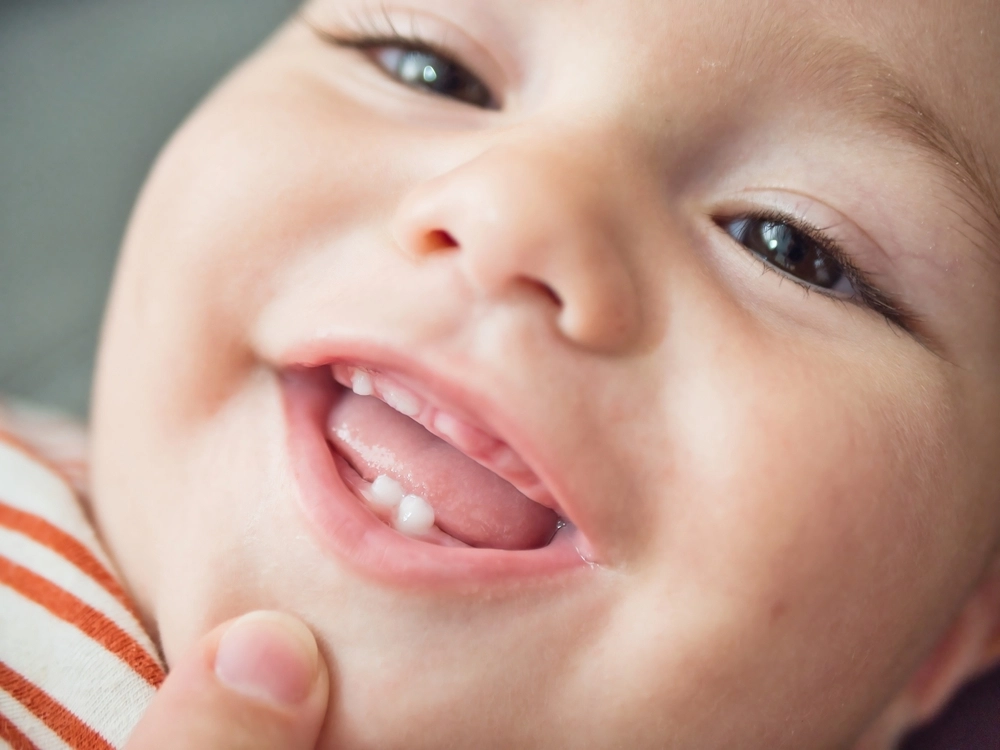
Somewhere between four and seven months, most parents encounter the same bewildering change: the happy, relatively predictable baby they thought they knew becomes fussier, drooly, and oddly fascinated with chewing on everything in reach. Welcome to teething. It is one of the most universally experienced parts of infant development, yet it is also one of the most frequently misunderstood—and mismanaged.
Understanding the teething timeline, recognizing genuine symptoms, and knowing which soothing methods are safe versus which ones carry real risks will make this developmental stage far more manageable for both of you.
When Do Teeth Actually Come In?
The average teething timeline begins around six months, though the range is wide. Some babies sprout their first tooth at three months; others don’t see their first tooth until twelve months or later. Late teething (teeth appearing after twelve months) is usually a normal variation and not typically a cause for concern, though your pediatrician can assess if there are any underlying issues.
Here is the general sequence of tooth eruption:
- 6–10 months: Lower central incisors (the two bottom front teeth) — usually the first to appear
- 8–12 months: Upper central incisors
- 9–13 months: Upper lateral incisors
- 10–16 months: Lower lateral incisors
- 13–19 months: First molars (upper and lower)
- 16–23 months: Canine teeth
- 23–33 months: Second molars
Most children have a full set of twenty primary teeth by around age three. Each eruption may cause a period of discomfort, though babies vary widely in how much they feel it. Our baby development section covers the full range of physical milestones in the first three years.
Recognizing Teething Symptoms
Teething produces a fairly consistent cluster of symptoms, though not every baby will experience all of them:
- Increased drooling — often the first noticeable sign, sometimes appearing weeks before the tooth breaks through
- Chewing and gnawing — on toys, fingers, rails, furniture—anything the baby can get into the mouth
- Swollen, red gum tissue at the eruption site
- Increased fussiness and irritability
- Disrupted sleep — discomfort can worsen at night when there are fewer distractions
- Mild temperature increase — a slight rise of body temperature can occur, though this is debated
- Drool rash around the mouth, chin, and neck from the excess saliva
What Teething Does NOT Cause
A persistent myth links teething to high fever, diarrhea, and significant illness. Research does not support this. If your baby has a fever above 100.4°F (38°C), persistent diarrhea, or seems genuinely unwell, do not attribute this to teething alone. These symptoms warrant a call to your pediatrician to rule out infection or other causes. The MedlinePlus infant development resource offers grounded information on what is and isn’t developmentally expected during this stage.
Safe Soothing Methods
The goal of teething relief is to reduce gum inflammation and provide counter-pressure that the body naturally craves when teeth are pushing through. Several safe and effective approaches exist:
Chilled Teething Rings
Silicone or rubber teething rings chilled in the refrigerator (not the freezer) provide excellent counter-pressure and the cooling effect reduces inflammation. Do not freeze teething rings—frozen rubber can become hard enough to injure delicate gum tissue. Look for rings that are solid silicone with no liquid filling, which can leak. Check teething ring options when building your newborn essentials kit.
Chilled Washcloth
A clean, wet washcloth chilled in the refrigerator and given to the baby to chew on works well, especially in early teething. Tie a knot in it for easier gripping. Always supervise this activity, as the cloth can become a choking risk if large pieces separate.
Gentle Gum Massage
Using a clean finger or a soft silicone finger brush to gently rub the gum tissue provides counter-pressure and can temporarily ease discomfort. Wash your hands thoroughly first and apply gentle circular pressure over the eruption site.
Cold Purees and Foods
Once your baby has started solids, chilled purees—unsweetened applesauce, pureed pear, or plain yogurt—can provide both nutrition and teething relief. Cold mesh feeders filled with frozen fruit are popular at this stage as well. Our feeding and nutrition section has guidance on age-appropriate foods during and after the introduction of solids.
What to Avoid
The teething aisle of any pharmacy contains products that range from unhelpful to genuinely dangerous. Knowing what to skip is just as important as knowing what to use.
Topical Benzocaine Gels
The FDA has warned against using over-the-counter oral pain relief gels containing benzocaine (such as Orajel) in children under two years old. Benzocaine can cause methemoglobinemia, a serious condition that reduces the blood’s ability to carry oxygen. Even small amounts can cause this reaction in infants. Avoid these products entirely regardless of what packaging claims.
Amber Teething Necklaces
Amber teething necklaces have no scientific evidence supporting their effectiveness. More critically, they are a strangulation and choking hazard. The American Academy of Pediatrics and the Consumer Product Safety Commission both advise against their use. There is no safe way to use a necklace on a baby, and no documented mechanism by which amber could relieve pain. Do not use these products. For home safety practices relevant to the early months, including hazard identification, our home safety guide is a good reference.
Alcohol
Rubbing alcohol or alcohol-containing teething products on gum tissue is dangerous and should never be used. There is no amount of alcohol that is safe to apply to an infant’s gum tissue.
Frozen Items Directly on Gums
Very hard or very cold items can cause tissue damage. Avoid placing ice cubes directly on gum tissue or giving frozen solid items that the baby might bite hard against. The NICHD infant care page provides additional context on what safe infant care looks like across developmental stages.
Managing Sleep During Teething
One of the most common teething questions is how to handle the sleep disruption. A baby who was sleeping well may suddenly be waking multiple times a night during a particularly difficult eruption. This is frustrating but temporary. Our sleep routines section covers strategies for navigating sleep disruptions without creating long-term habits you’ll need to undo later.
On particularly hard nights, infant-appropriate doses of acetaminophen (Tylenol) or ibuprofen (Motrin, for babies six months and older) can provide meaningful pain relief. Check with your pediatrician for the correct dose based on your baby’s weight before administering. Families who are attentive to their home environment—including the quality of water they use in preparing food, drinks, or baby items—should also know that some parents in older buildings check water quality during this sensitive developmental window. For instance, some families who live near commercial buildings have noted that concerns about water testing services for hotels in Manhattan and similar urban structures prompted them to look more closely at their own residential plumbing as well. It is a reasonable step when raising children in older urban buildings.
Dental Care Begins Now
The moment the first tooth erupts, dental hygiene begins. Use an infant toothbrush with a tiny smear of fluoride toothpaste—about the size of a grain of rice—twice a day. Clean any existing gum surfaces with a damp cloth even before teeth appear. Schedule your baby’s first dental visit by twelve months, or within six months of the first tooth appearing, whichever comes first.
Early dental habits build the foundation for lifelong oral health. The drooling, the fussiness, the night wakings—it all passes. And when it does, you’ll have a baby with a smile full of hard-earned new teeth, and you’ll have survived one of early parenthood’s most challenging developmental phases.