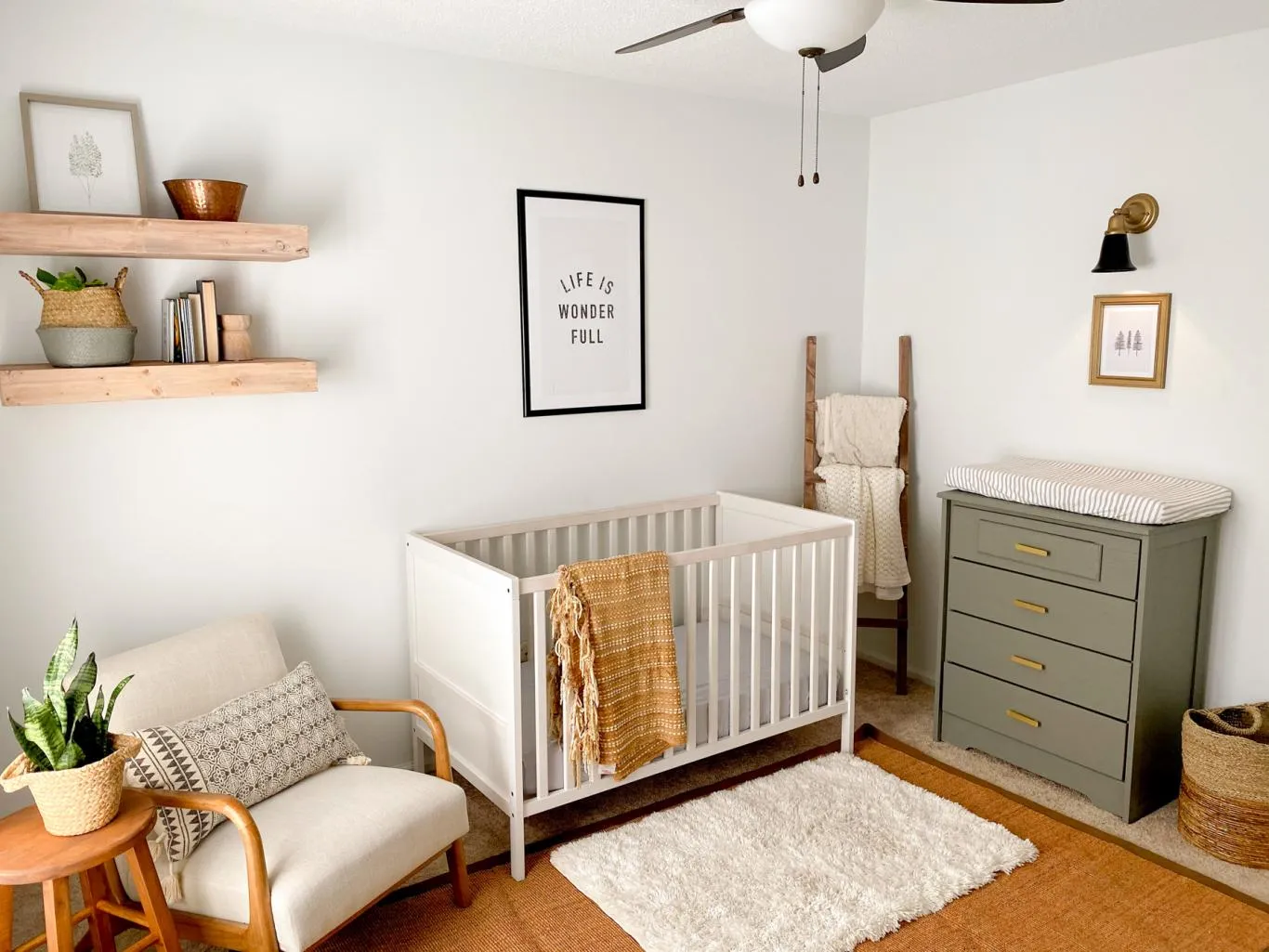
A well-designed nursery does not need to cost thousands of dollars. Some of the most thoughtfully put-together baby rooms belong to parents who spent strategically, prioritized function over aesthetics, and resisted the marketing pressure to buy everything on a retailer’s checklist. The truth is that newborns need very little—but what they do need should be safe, accessible, and set up in a way that makes the exhausting early months slightly more manageable.
Here is a practical approach to creating a nursery that works hard without emptying your bank account.
Decide What Your Nursery Actually Needs to Do
Before purchasing anything, think about how you will actually use the space. Will the baby sleep in the nursery from day one, or in your room for the first few months? Do you plan to breastfeed in the nursery, or elsewhere? Will this room double as a changing and storage area?
Your answers change what you prioritize. A parent who keeps the baby in a bedside bassinet for the first three months doesn’t need a full crib immediately. A parent who plans to nurse in the nursery needs comfortable seating more urgently than a parent who feeds elsewhere. Let your actual routine, not a generic checklist, drive your decisions.
The Non-Negotiables: What You Truly Need
A Safe Sleep Surface
This is the most important purchase in the nursery. Whether you choose a crib, a bassinet, or a mini-crib, it must meet current safety standards. Look for JPMA certification and ensure the item was manufactured after 2011, when updated federal crib safety standards took effect. The mattress should be firm, fit snugly in the frame with no gaps, and be covered with a tight-fitting, waterproof sheet.
Drop-side cribs are banned. Do not use secondhand cribs unless you can verify they meet current safety standards and have not been recalled. A new standard bassinet or crib does not need to be expensive—solid options exist in the $100–$200 range that meet all safety requirements. Our sleep routines section covers safe sleep setup guidelines in detail.
A Changing Surface
A dedicated changing area makes diaper changes significantly faster and safer—you are not hunting for supplies while holding a squirming baby. A changing table with safety rails is ideal, but a changing pad secured to the top of a dresser works just as well and saves space and cost. Keep all supplies—diapers, wipes, cream, a few spare onesies—within arm’s reach so you never have to take your hand off the baby.
Storage That Actually Works
Baby gear accumulates quickly. A dresser or shelving unit that can be organized in zones—newborn clothing, feeding supplies, diapering supplies—saves time and sanity. Baskets and bins keep things accessible without requiring perfect folding at 3 a.m. Label everything. You will thank yourself when you are running on little sleep and need to find the right size onesie immediately.
Budget-Friendly Strategies That Actually Work
Shopping secondhand for soft goods (clothing, blankets, carriers) is generally safe. Avoid secondhand car seats, cribs, and helmets—these are safety items where history matters and recalls are common. For everything else: Facebook Marketplace, local parent groups, consignment shops, and end-of-season sales can yield significant savings.
Registries are valuable tools. If a shower or gifting occasion is upcoming, register for specific practical items rather than aspirational ones. Diapers, wipes, nipple cream, white noise machines, and a good nursing pillow are better gifts than novelty décor items. Our newborn essentials guide has a practical, no-fluff breakdown of what you actually need in the first month.
Paint, Air Quality, and the Hidden Environmental Question
Many parents choose to repaint the nursery before the baby arrives. If you are doing this, use low-VOC or zero-VOC paint and ensure the room is well-ventilated for several days before the baby occupies the space. Off-gassing from conventional paint can irritate newborn respiratory systems. The EPA indoor air quality resource offers guidance on minimizing indoor pollutants in spaces where infants will spend significant time.
Paint is not the only source of indoor contaminants in older homes. Lead paint under new paint layers can chip or dust, particularly around window frames and doors that are opened and closed frequently. In older buildings, the plumbing itself may be a concern. Parents renovating or setting up a nursery in a building constructed before 1986 should consider having their water tested. Families in urban areas sometimes look into office building lead water testing in the Bronx and similar boroughs as a reference point when evaluating the age and condition of their building’s plumbing infrastructure—residential buildings of the same era often share the same risks. The EPA’s lead information page provides comprehensive guidance on sources of lead exposure in the home. Our home safety section also covers lead and other hazard management for families with young children.
Lighting and Ambiance: Simpler Than You Think
Good nursery lighting serves three functions: bright enough for diaper changes, dim enough for nighttime feeds without full wakeup, and adjustable for a smooth transition to sleep. A simple lamp with a warm-toned bulb on a dimmer switch covers all three. Smart bulbs that can be voice-controlled or app-adjusted are genuinely useful at 3 a.m. when one hand is occupied with a baby.
Blackout curtains are worth the investment for daytime naps, particularly in cities where morning light comes early. They do not need to be expensive—functional blackout liners are available for under $20 and can be paired with any existing curtain rod.
What You Do Not Need
Marketing toward new parents is relentless. You will be told you need a wipe warmer, a diaper pail with patented odor control, a specialized nursing pillow of a specific brand, a video monitor with built-in sleep tracking, and furniture sets that coordinate perfectly across every piece. Most of this is optional.
A wipe warmer is rarely missed. A regular diaper pail works. Any firm pillow supports nursing. The monitor you need depends on your home layout—many apartments don’t require video monitoring at all. Visit our FAQ section for practical answers to the most common nursery setup questions. The NICHD infant care page is also a good resource for evidence-based guidance on what truly supports infant safety and development.
The Nursery You’ll Actually Use
The most functional nurseries are rarely the most photogenic. They have a nightlight and a charger for your phone within reach. They have a basket of snacks for middle-of-the-night feeds. They have wipes accessible without moving anything. They have a comfortable chair that doesn’t throw your back out during hour-long nursing sessions.
Build the nursery for the parent who will be in it at 2 a.m., not for the Instagram photo. That version of the room—practical, calm, and efficiently organized—is the one that will actually help you through the newborn stage. Our baby development resource can help you think about how the nursery setup may need to evolve as your baby grows, becomes more mobile, and starts pulling up on furniture—because today’s nursery will need to adapt tomorrow.