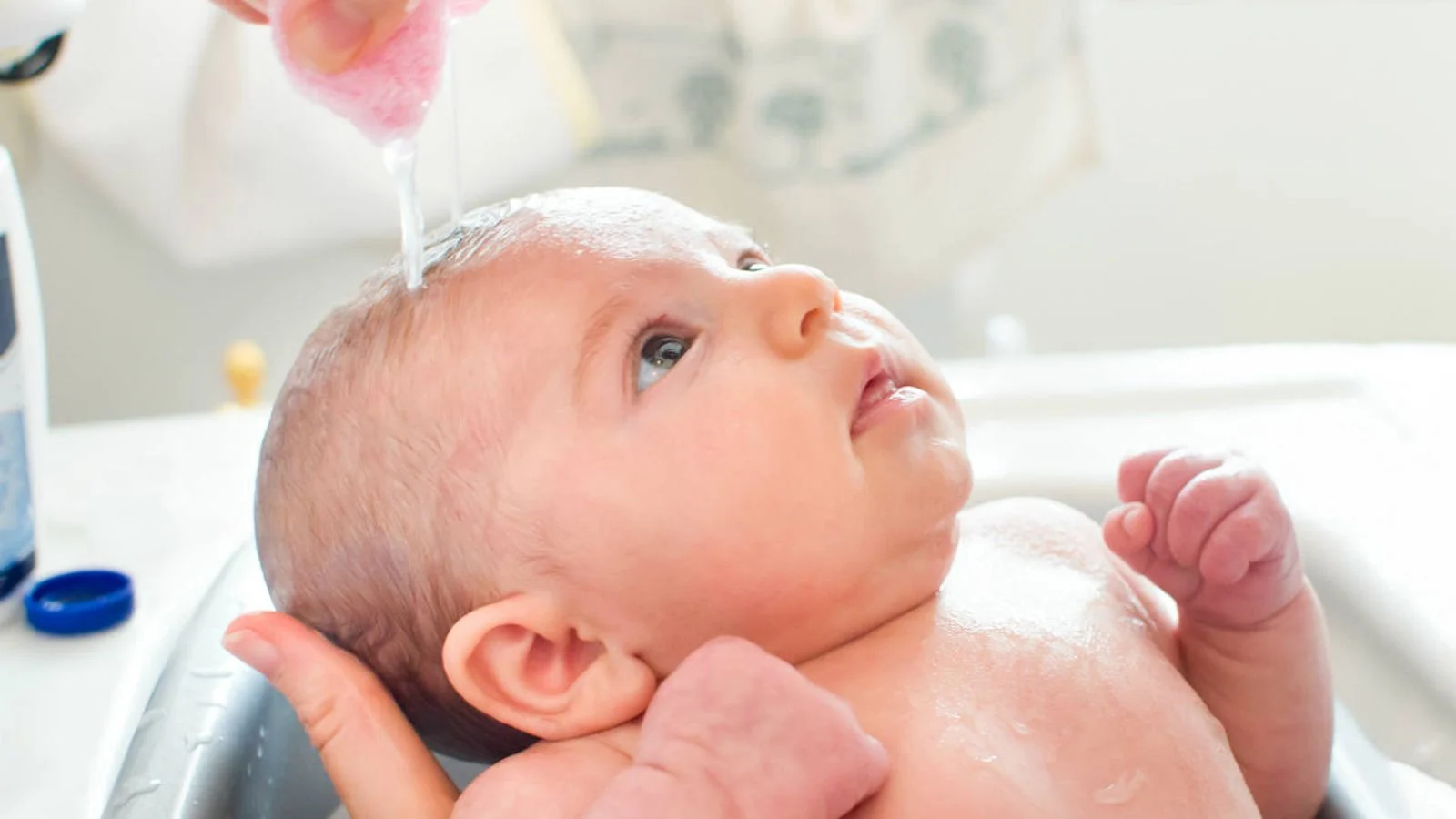
Few parenting rituals are as tender—or initially as nerve-wracking—as giving a tiny newborn their first bath. Newborns can feel surprisingly slippery when wet, and their delicate skin requires thoughtful handling and precise temperature control. While popular media portrays serene babies splashing merrily in bubbles, real-world newborn baths are often brief, practical events focused on comfort, warmth, and safety. Establishing a dependable routine transforms this essential task into a calm, bonding experience.
The Golden Rules of Infant Water Safety
Water safety for infants begins with a fundamental, non-negotiable principle: uninterrupted supervision. Babies can drown silently in as little as one inch of water in mere seconds. Never leave your baby unattended in a bath, even for a fraction of a second to grab a towel, answer a phone, or respond to a doorbell. If you must step away from the bathing area, wrap your baby securely in a warm towel and take them with you.
Equally critical is physical preparation. Before introducing a single drop of water to your baby’s skin, assemble every single item—towels, washcloths, gentle soap, diaper, and clean clothing—within arm’s reach. Having your supplies arranged prevents awkward reaching and ensures your hands remain securely on your infant at all times.
Understanding Sponge Baths vs. Tub Baths
During the first two to three weeks of life, full immersion tub baths are generally not recommended. Pediatric specialists advise sticking to gentle sponge baths until your newborn’s umbilical cord stump dries, shrivels, and falls off completely. If your baby was circumcised, the surgical site must also heal fully before submerging them in water.
Conducting a Safe Sponge Bath
To perform a sponge bath, lay your baby on a soft, padded surface covered with a dry towel in a warm, draft-free room. Keep your infant fully wrapped in a second towel, exposing only the specific limb or area you are actively washing. Dip a soft washcloth into warm water, gently wipe the skin from clean areas to dirtier areas (starting with the eyelids using plain water, then the face, neck folds, torso, limbs, and finally the diaper region), and pat dry immediately with a clean towel.
Transitioning to an Infant Tub
Once the umbilical cord stump has healed, you can transition to an infant bathtub. Select a tub with a contoured, slip-resistant interior and an ergonomic mesh sling that cradles the newborn’s head well above the water line. Never use an adult bathtub without an infant insert, and avoid bath seats that rely on suction cups, which can detach unexpectedly.
For more foundational advice on newborn hygiene and nursery preparation, explore our curated list of essential newborn supplies and care items.
Mastering Water Temperature: Preventing Scalds and Chills
Newborn skin is thirty percent thinner than adult skin, making it exceptionally susceptible to thermal injury. Water that feels comfortably hot to an adult hand can cause severe scalds to an infant within seconds.
The Ideal Bath Temperature
The optimal water temperature for a newborn bath is between 98°F and 100°F (36.6°C to 37.7°C). Use a floating digital bath thermometer to verify the temperature accurately before placing your baby in the water. If you do not have a digital thermometer, test the water using the sensitive skin on the inside of your wrist or elbow—it should feel pleasantly lukewarm, never hot.
Water Heater Safety Precautions
Check the thermostat dial on your residential water heater. Pediatric safety standards recommend setting household water heaters to a maximum of 120°F (49°C). This simple adjustment drastically reduces the risk of accidental tap scalds throughout your home. In multi-unit residential buildings where central boilers serve dozens of apartments, installing anti-scald mixing valves on bathroom faucets provides an indispensable layer of physical protection.
Water Quality and Skin Sensitivity Considerations
The purity of the water entering your bathtub directly impacts your newborn’s skin barrier. Hard water containing high levels of calcium and magnesium, combined with municipal chlorine, can strip natural lipids from delicate infant skin, precipitating eczema flares and dry patches.
In older urban residential buildings, plumbing systems can harbor complex biofilm and sediment. In specific historic complexes, scheduling specialized Legionella water testing in Brooklyn or comprehensive aerosol testing provides crucial insight into biological safety, particularly when misting or shower aerators are present. Ensuring that domestic water supplies remain free of microbial colonization protects the entire household’s respiratory and dermal health.
If you suspect that building pipes or hot water recirculation loops have not been properly maintained, consulting professionals who specialize in Professional Legionella water testing in Brooklyn or your local municipality ensures that household fixtures meet the highest environmental safety benchmarks.
Step-by-Step Bath Routine: Gentle, Calm, and Efficient
Establishing an orderly sequence keeps bath time smooth and prevents your baby from becoming cold:
- Warm the Room: Ensure the bathroom or bedroom is comfortably warm (around 72°F to 75°F / 22°C to 24°C) to prevent post-bath shivering.
- Fill the Tub Minimally: Add two to three inches of warm water. Mix the water thoroughly with your hand to eliminate hot spots before checking the temperature.
- Support Head and Neck: Hold your baby securely, supporting their head and neck with your non-dominant arm while using your dominant hand to wash.
- Use Mild, Fragrance-Free Cleansers: Plain water is sufficient for most newborn baths. If soap is needed, use a tiny amount of hypoallergenic, fragrance-free baby cleanser. Avoid bubble baths entirely, which irritate sensitive urethral and genital tissues.
- Pat Dry Gently: Lift your baby out onto a waiting hooded towel and wrap them immediately. Pat—do not rub—the skin dry, paying special attention to skin creases in the neck, thighs, and armpits.
Connecting bath time to an evening wind-down routine promotes deeper infant sleep. Discover how to create predictable evening rhythms by reading our guide on building effective baby bedtime routines.
Post-Bath Skin Care and Gentle Infant Massage
Once your baby is safely patted dry, you have an ideal window to nourish their skin barrier and encourage physical relaxation. Within three to five minutes of exiting the water, while the skin is still lightly hydrated, apply a fragrance-free, hypoallergenic infant moisturizer, ceramide cream, or pure petroleum jelly. Trapping residual moisture prevents the dry, scaly patches and mild eczema flares common in early infancy, especially in apartments with dry radiator heat or active air conditioning systems.
Pairing moisturization with gentle infant massage offers remarkable physiological and emotional benefits. Using slow, rhythmic strokes along their legs, tummy, and arms stimulates the parasympathetic nervous system, supporting healthy digestion, relieving gas discomfort, and reducing evening colic episodes. Pay close attention to your baby’s non-verbal communication cues: if they turn their head away, splay their fingers in distress, or begin to fuss, pause the massage immediately, dim the lights, and wrap them snugly in their sleeper.
Authoritative Bath Safety Resources
National and international health organizations emphasize water vigilance and thermal safety for infants. The clinical overviews at MedlinePlus child and water safety provide essential instructions on avoiding domestic burn and immersion hazards. Furthermore, environmental standards detailed through the EPA drinking water health advisories explain how water quality directly influences household health. Globally, the World Health Organization guidelines on domestic water quality highlight the vital importance of safe municipal water handling to prevent childhood skin and gastrointestinal complications.
Supporting Healthy Sensory Development
Bath time is more than hygiene; it is a rich sensory experience that engages your baby’s sense of touch, sound, and sight. Speaking softly, narrating your actions, and maintaining warm eye contact helps your infant feel secure. To understand how sensory play nurtures early cognition, explore our breakdown of first-year baby developmental milestones.
If you encounter unusual rashes, persistent skin peeling, or signs of infection around the umbilical stump, consult your pediatrician immediately. For additional family safety guidance, review our comprehensive home safety protocols or reach out through our contact page. With careful preparation and steady hands, bath time will quickly become a cherished part of your family’s daily rhythm.