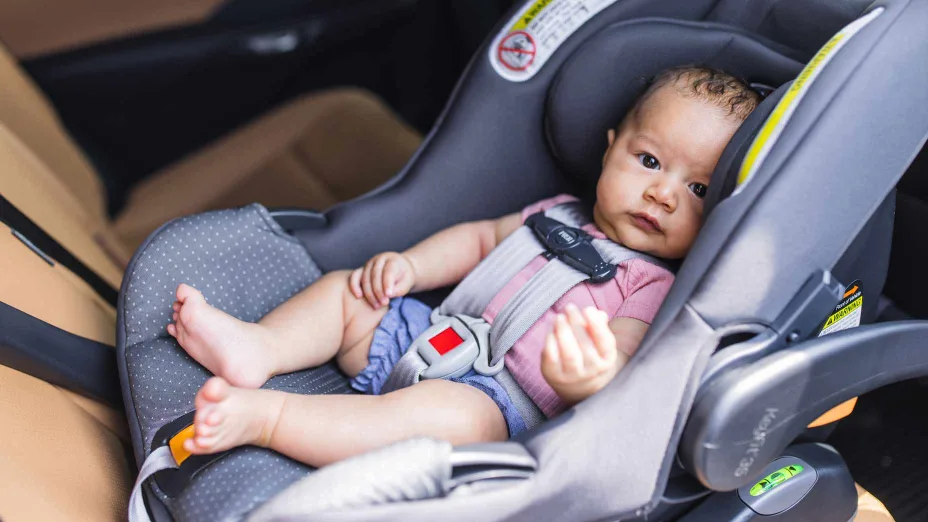
Car seats save lives. This is not an abstract claim—it is one of the most well-supported facts in pediatric safety research. When used correctly, infant car seats reduce the risk of death in a crash by approximately 71% for infants and 54% for toddlers. The key phrase in that statistic is “when used correctly.” Studies consistently show that a significant percentage of car seats are installed or used incorrectly—often by well-meaning, careful parents who simply did not know what they were doing wrong.
This guide covers everything you need to know about car seat selection, installation, and fit—and the mistakes that are most commonly made.
Types of Car Seats and Which One You Need
Infant-Only Seats
Designed for newborns and small babies, infant-only seats are rear-facing and have a detachable base that stays in the car. The seat clicks in and out, allowing you to carry a sleeping baby without disturbing them. Most accommodate babies from 4–30+ pounds (always check the specific weight and height limits of your model). These seats typically work for the first year, sometimes longer depending on the baby’s growth.
Convertible Car Seats
Convertible seats can be used rear-facing for infants and young toddlers, then converted to forward-facing as the child grows. They do not have a detachable carrier component. Many families skip the infant-only seat and use a convertible from birth, particularly if the baby meets the minimum weight (typically 5 pounds) and the seat accommodates small newborns. Convertibles tend to last longer and offer better value over time.
All-in-One Seats
All-in-one seats transition from rear-facing through forward-facing and eventually to booster mode. They are the most versatile option, though they tend to be bulkier and more expensive upfront. For families who want to purchase once and use for years, this category is worth considering.
Rear-Facing: Why It Matters and How Long to Continue
The American Academy of Pediatrics and child safety organizations consistently recommend keeping children rear-facing as long as possible—until they reach the maximum height or weight limit of their rear-facing seat. Rear-facing seats distribute crash forces across the head, neck, and back, protecting the spine in a collision. Forward-facing seats are less protective because in a frontal crash (the most common type), the body continues forward while the harness restrains it at the chest and hips—but the head continues to travel, stressing the neck.
Many parents move their child forward-facing too early, often because they believe the child is “too big” or that their legs touching the seat back is dangerous. Neither is true. Legs touching the seat back in rear-facing is normal and safe. Our home safety section covers product safety topics for families with young children.
Installation: The Most Common Mistakes
Too Much Movement
An improperly tightened car seat can move dangerously in a crash. After installation, grasp the seat at the belt path and try to move it side-to-side and front-to-back. The seat should not move more than one inch in any direction. If it does, tighten the installation—either by re-threading the seat belt through the correct path or retightening the LATCH connectors.
Using Both LATCH and the Seat Belt Simultaneously
LATCH (Lower Anchors and Tethers for Children) and the vehicle seat belt are both valid installation methods, but you should not use both lower anchors and the seat belt at the same time for a single installation—unless your car seat manual specifically permits it. Each is designed to handle the crash forces on its own. Check your car seat manual and your vehicle manual for the correct method.
Not Using the Top Tether
The top tether strap, which anchors a forward-facing seat to a tether anchor behind or above the vehicle seat, significantly reduces head movement in a crash. It is mandatory to use when a seat is installed forward-facing, yet it is frequently omitted. The tether anchor is typically located behind the seat back, in the cargo area, or on the ceiling of some vehicles—check your vehicle manual to find it.
Harness Too Loose
The pinch test: after buckling the harness and tightening the chest clip and shoulder straps, pinch the strap at the child’s collarbone between your thumb and index finger. If you can pinch any slack, the harness is too loose. It should be snug enough that no strap can be pinched. A loose harness allows the child to move too much in a crash, reducing the seat’s effectiveness significantly.
Chest Clip Position
The chest clip should sit at armpit level, not at the belly or collarbone. A clip too low can cause abdominal injury in a crash; too high can injure the throat. Check the position at every buckling. The MedlinePlus child safety resource provides an overview of infant and child product safety guidelines. The NICHD infant care page also covers safe transport for infants.
Bulky Clothing Under the Harness
Heavy coats and snowsuits under a car seat harness compress in a crash and leave slack in the straps. Buckle your baby in regular clothing, then cover them with a blanket or put the coat on backward over the harness. This is one of the most commonly made seasonal mistakes.
Getting Your Installation Checked
Even experienced parents benefit from having their installation verified by a certified Child Passenger Safety Technician (CPST). These are trained professionals who can identify installation errors you may not notice yourself. Many fire stations, hospitals, and community organizations offer free inspection events. The NHTSA maintains a searchable database of local inspection stations. For urban families who drive infrequently but still need a car seat for occasional rides, accurate installation matters as much as it does for daily drivers.
If you live in a city and are selecting a car seat with transit use in mind, lightweight and compact models that fold easily are available. Our urban baby living section has guidance on navigating city life with infant gear. Some city-dwelling families also take time during this period to audit other aspects of their home environment—such as looking into NYC lead water testing specialists to assess whether their building’s plumbing poses any risk, particularly in older structures common in urban neighborhoods. Our newborn essentials checklist also helps you prioritize what to set up first in the weeks before your baby arrives. The MedlinePlus newborn care guide is an excellent additional reference for parents navigating these early safety decisions.
Seat Expiration and Secondhand Seats
Car seats expire—typically six to ten years after the manufacture date, printed on a label on the base of the seat. Plastic degrades over time, reducing structural integrity. Do not use a secondhand seat unless you know its full history: no accidents, no recalls, within its expiration date, and complete with all original parts. When in doubt, buy new. Some manufacturers and fire departments offer discounted new seats for families who cannot afford full retail price—explore local resources and programs. Visit our FAQ section for answers to other common car seat and baby safety questions.
Car seat safety is not an area where “good enough” is good enough. It is worth taking the extra time to install it correctly, get it inspected, and use it properly every single ride. That extra fifteen seconds of harness checking is never wasted.