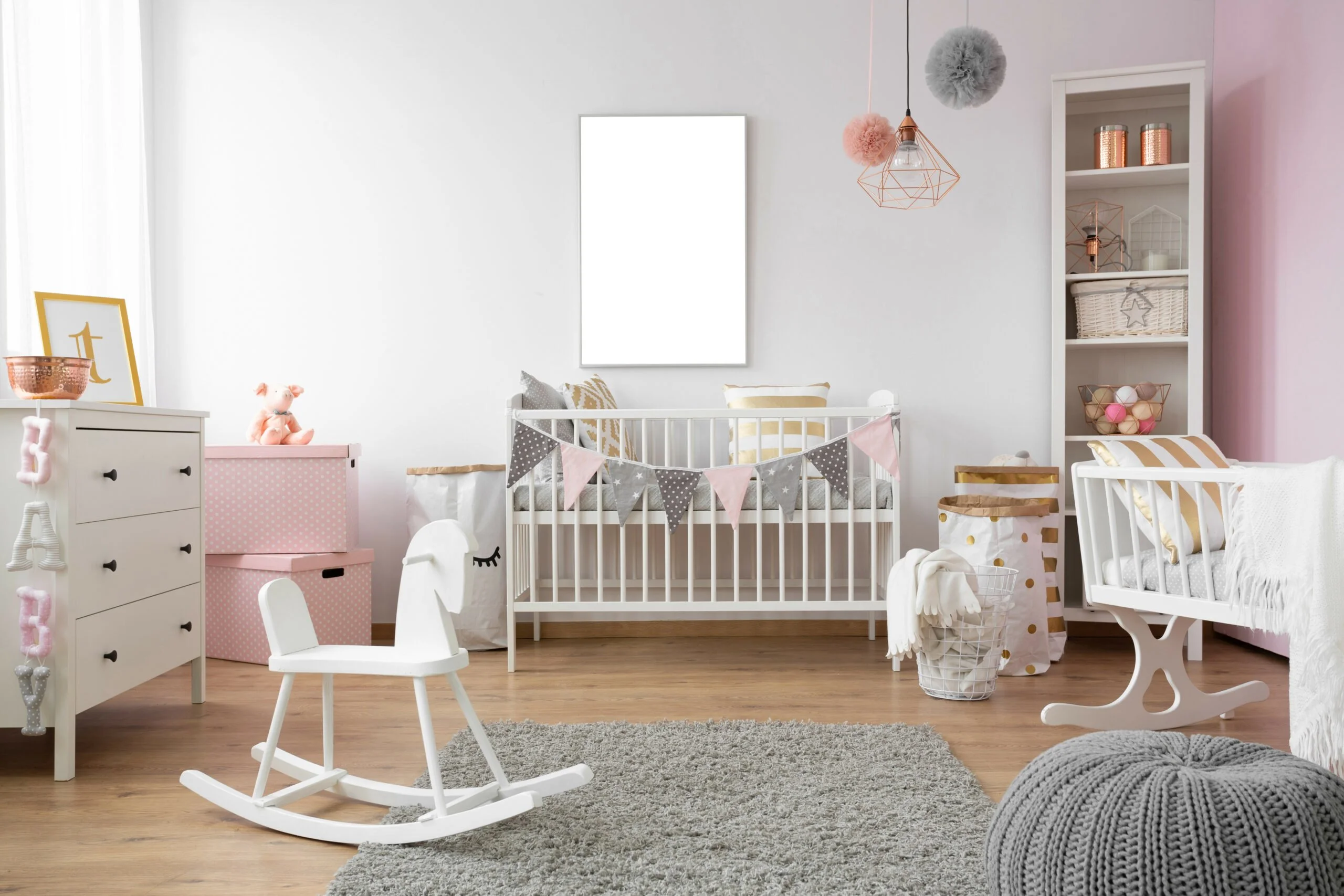
When you discover you are expecting a baby while living in a one-bedroom apartment, loft, or compact urban rental, your initial excitement is often followed by a wave of spatial anxiety. Mainstream parenting culture frequently insists that an infant requires a dedicated, photo-perfect nursery, complete with a massive wooden crib, matching armchair, full-sized changing table, and rows of decorative shelving. The reality, however, is wonderfully liberating: newborns have zero concept of square footage, and a compact apartment can be an exceptionally cozy, practical, and loving environment for early childhood.
The Small-Space Mindset: Less Clutter, More Connection
Embracing apartment living with an infant begins with a deliberate mental shift. A compact living space naturally forces you to edit out the unnecessary clutter, commercial gimmicks, and single-purpose gadgets that frequently overwhelm larger suburban homes. When every item in your home must earn its place, your daily routines become more streamlined, efficient, and intentional.
Furthermore, small-space parenting keeps your baby within sight and hearing at all times. You never have to worry about whether a baby monitor’s signal will reach across a multi-story house or run down long flights of stairs to comfort a crying infant. Closeness fosters responsiveness, bonding, and rapid parental confidence.
Designing a Functional “Nursery Nook” in Your Bedroom
Pediatric safety organizations recommend room-sharing for at least the first six months of life, making a separate nursery completely unnecessary during the fourth trimester. Carving out a dedicated “nursery nook” within your existing primary bedroom is both practical and developmentally optimal.
Selecting a Compact Sleep Surface
Replace the concept of a full-sized crib with a mini crib or a certified bassinet. Mini cribs share the same height and structural safety of standard cribs but feature a streamlined footprint (roughly twenty-four by thirty-eight inches). Many models feature locking caster wheels, allowing you to roll the crib smoothly from the bedroom into the living room during daytime naps.
Creating Visual Separation
You can create a tranquil psychological boundary for your baby’s sleep corner without constructing physical walls. Use a soft, neutral curtain on a ceiling track, a light folding wooden screen, or a simple peel-and-stick accent wallpaper behind the mini crib to delineate their cozy sleeping sanctuary.
To ensure your bedroom nook is equipped with truly essential sleep gear, explore our curated newborn essentials checklist.
Multi-Functional Furniture: The Ultimate Apartment Hack
The cardinal rule of small-space nursery design is simple: every piece of furniture must perform at least two functions.
The Dresser-Changing Table Hybrid
Never purchase a single-purpose changing table. Instead, select a sturdy, waist-height adult three- or four-drawer dresser. Secure a contoured changing pad with safety straps to the dresser top using non-slip silicone anchors. The top drawer holds diapers, wipes, and creams; the middle drawer stores onesies and swaddles; and the bottom drawer houses extra bedding and spare blankets. When your child outgrows diapers, the changing pad is removed, leaving a handsome, lifelong piece of furniture.
Gliders with Built-In Storage
If you choose to include a nursing chair, select a comfortable, compact swivel glider paired with a storage ottoman. The interior of the ottoman provides the perfect hidden repository for nursing pillows, extra burp cloths, and breast pump accessories. For a comprehensive exploration of compact urban gear, review our specialized guide on urban baby living and small-space solutions.
Vertical and Hidden Storage Strategies
When floor space is limited, the only way to expand is upward:
- Maximize Closet Verticality: Install a second, lower hanging rod in your bedroom closet. Hang baby clothes on the lower rod and reserve the upper shelf for organized fabric bins.
- Utilize Under-Bed Real Estate: Invest in low-profile, rolling under-bed storage containers to house outgrown clothing sizes, bulk diaper packages, and seasonal infant gear.
- Over-the-Door Organizers: Hang clear-pocket organizers on the inside of bedroom, bathroom, and closet doors to store lotions, thermometers, pacifiers, rolled onesies, and bibs.
- Floating Wall Shelves: Install two to three floating shelves high on the wall above the changing station, well out of an infant’s future reaching zone, to hold daily grooming supplies and soft nursery lighting.
Addressing Building Infrastructure and Tap Water Safety
Urban apartment living frequently involves historic architecture, shared plumbing risers, and multi-unit utilities. Ensuring that your building’s environment supports infant health is an essential preparatory step.
In older multi-unit apartment buildings, plumbing lines can harbor lead solder or deteriorating brass fittings. Scheduling certified NYC apartment lead water testing or local environmental analysis confirms that the water flowing to your kitchen faucet is completely free of heavy metals before you mix infant formula or wash bottles.
Similarly, for families preparing a high-rise condominium unit, arranging for specialized Water testing for condominiums in NYC provides definitive data on the performance of building water treatment, risers, and rooftop storage tanks. Complementing clean water with safe floor layouts keeps your living space secure. Discover foundational childproofing principles in our guide on home safety protocols and childproofing essentials.
Managing Sound, Light, and Air Quality in Close Quarters
Living in close quarters means household sounds—cooking, television, conversation—travel easily to your baby’s sleep nook.
Creating a Sound and Light Buffer
Place a dedicated continuous white noise machine between your baby’s crib and the door of the bedroom. A steady acoustic screen of rainfall or pink noise effectively masks kitchen clatter and muffled conversations. Install premium blackout cellular shades or blackout curtains to block urban street lighting and encourage longer daytime naps. To support healthy sleep cycles, explore our guide on establishing gentle baby bedtime routines.
Purifying Apartment Air
Compact apartments accumulate dust, cooking fumes, and street particulate matter quickly. Place a True HEPA air purifier with an activated carbon filter in the primary sleeping room to capture airborne allergens, volatile organic compounds, and microscopic pollutants.
Entryway Organization and Stroller Parking Solutions
One of the most persistent practical headaches in apartment living is figuring out where to park a dirty, wheel-clad stroller after navigating rain-soaked or snowy city sidewalks. Leaving a wet stroller in the middle of a narrow hallway creates an annoying tripping hazard and tracks outdoor street grime directly into your living space.
Designate a dedicated “drop zone” immediately inside your apartment doorway. Place a heavy-duty, washable rubber boot tray by the door to catch water, mud, and street debris dripping from stroller wheels. If hallway space is exceptionally narrow, invest in a folding stroller that stands upright when collapsed, or install heavy-duty, wall-mounted steel utility hooks inside an entryway coat closet to hang the folded stroller completely off the floor. Keeping your entry organized sets a calm, orderly tone the moment you step inside.
Authoritative Child Safety and Environmental Standards
Clinical and environmental authorities provide clear guidance on maintaining healthy home spaces. The comprehensive documentation on MedlinePlus child safety and accident prevention covers practical steps for securing compact living environments. Environmental resources from the EPA indoor air quality portal detail how proper ventilation and filtration protect developing respiratory systems. Furthermore, global research from the World Health Organization on drinking water safety emphasizes that clean domestic water is a foundational prerequisite for healthy early development.
Thriving Together in Your Urban Sanctuary
Preparing an apartment for a newborn is ultimately an exercise in love, ingenuity, and thoughtful organization. A small space can be a remarkably peaceful sanctuary where warmth and connection flourish. By focusing on multi-functional furniture, smart vertical storage, and clean environmental inputs, you create an ideal home where your baby can thrive.
For more answers regarding apartment childproofing and nursery organization, browse our parenting FAQ resource or send your inquiries to our editorial team via our contact page. Cherish this special season of closeness in your cozy home.